
AgroGlobal ICPI · Edo State, Nigeria
Industrialising the world’s
largest cassava economy.
A 1,200 tonne-per-day processing facility,
built to international specification.
- Native starch
- Modified starch
- Sweeteners
- Sorbitol
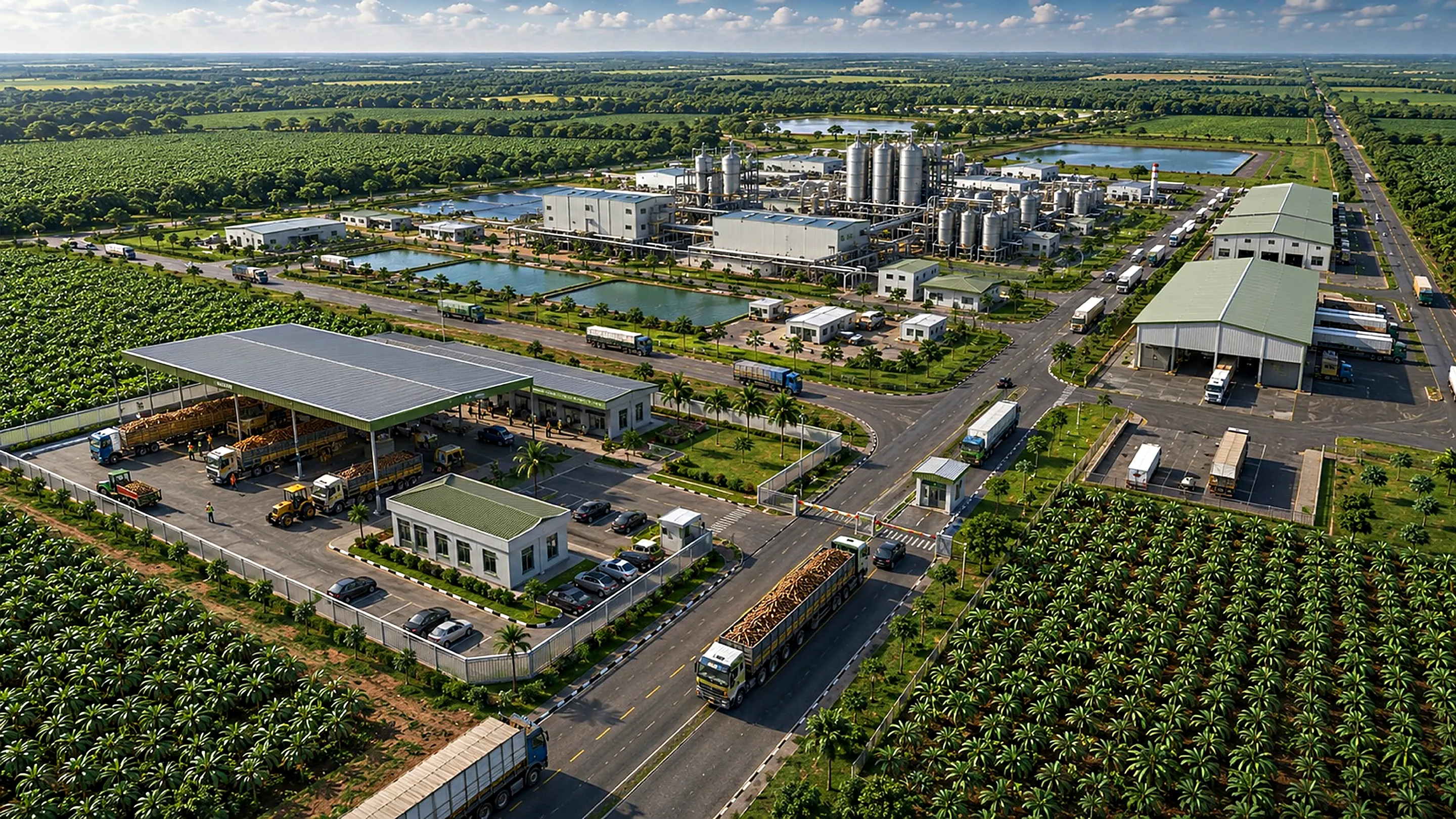
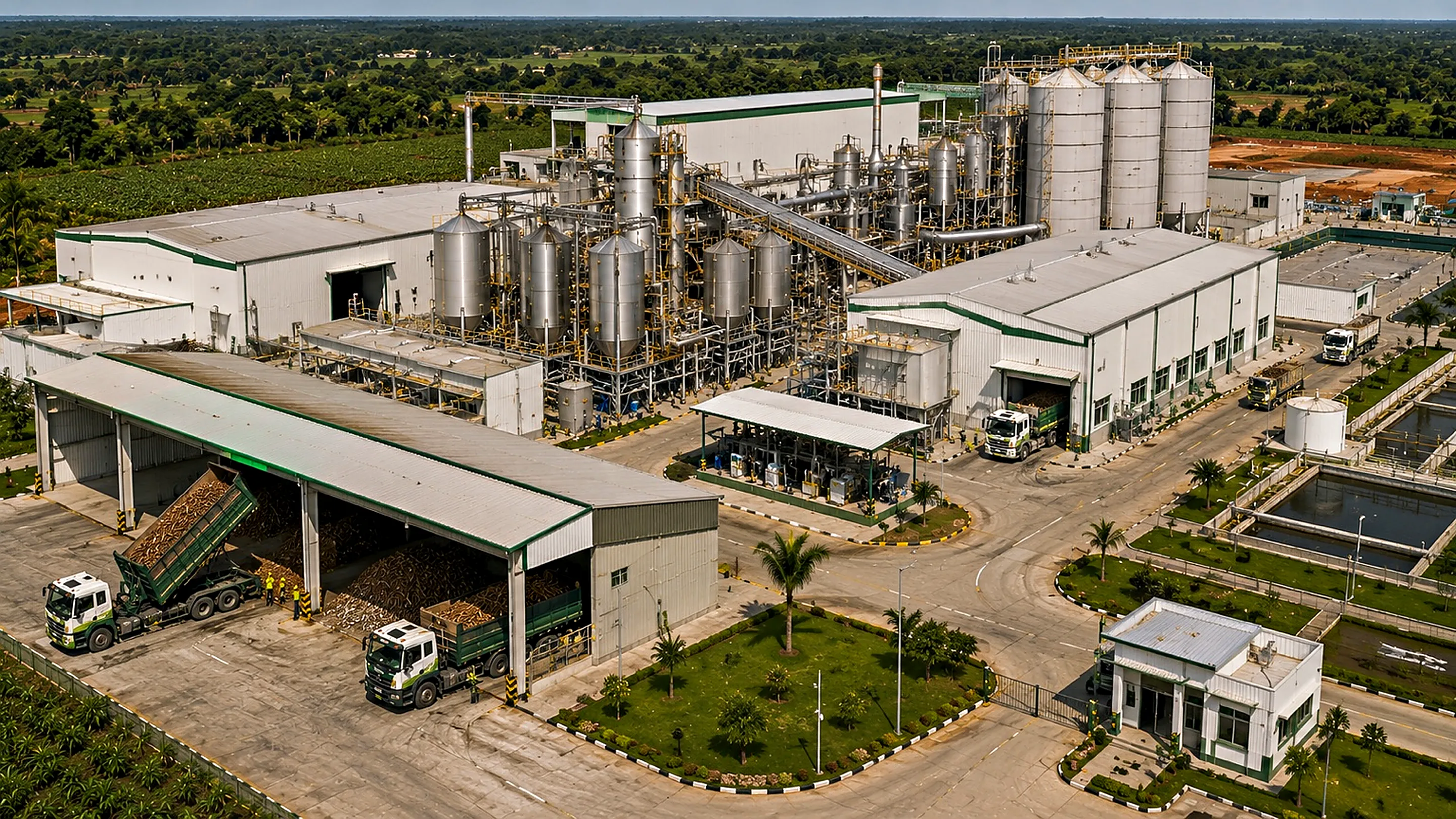
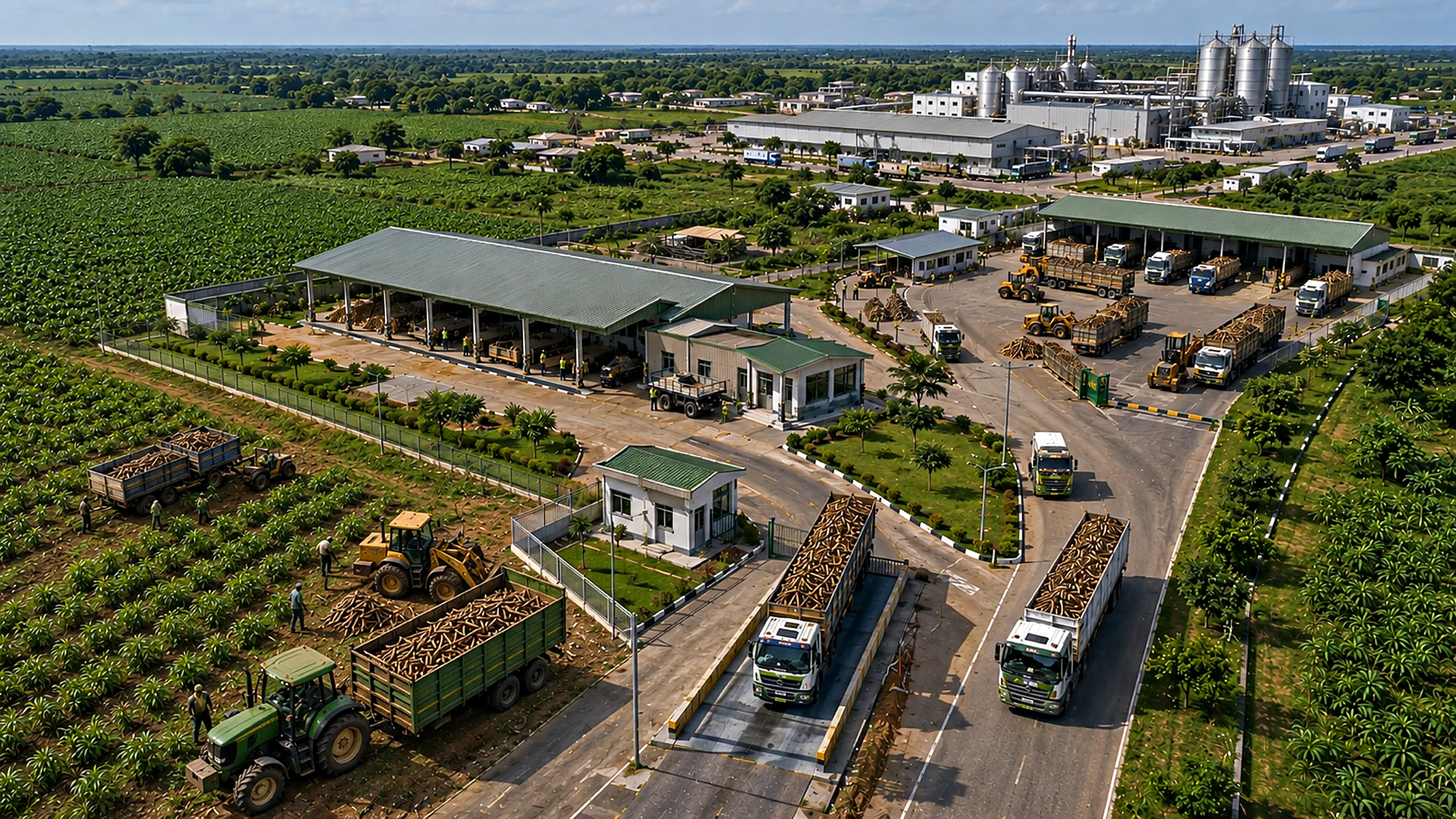
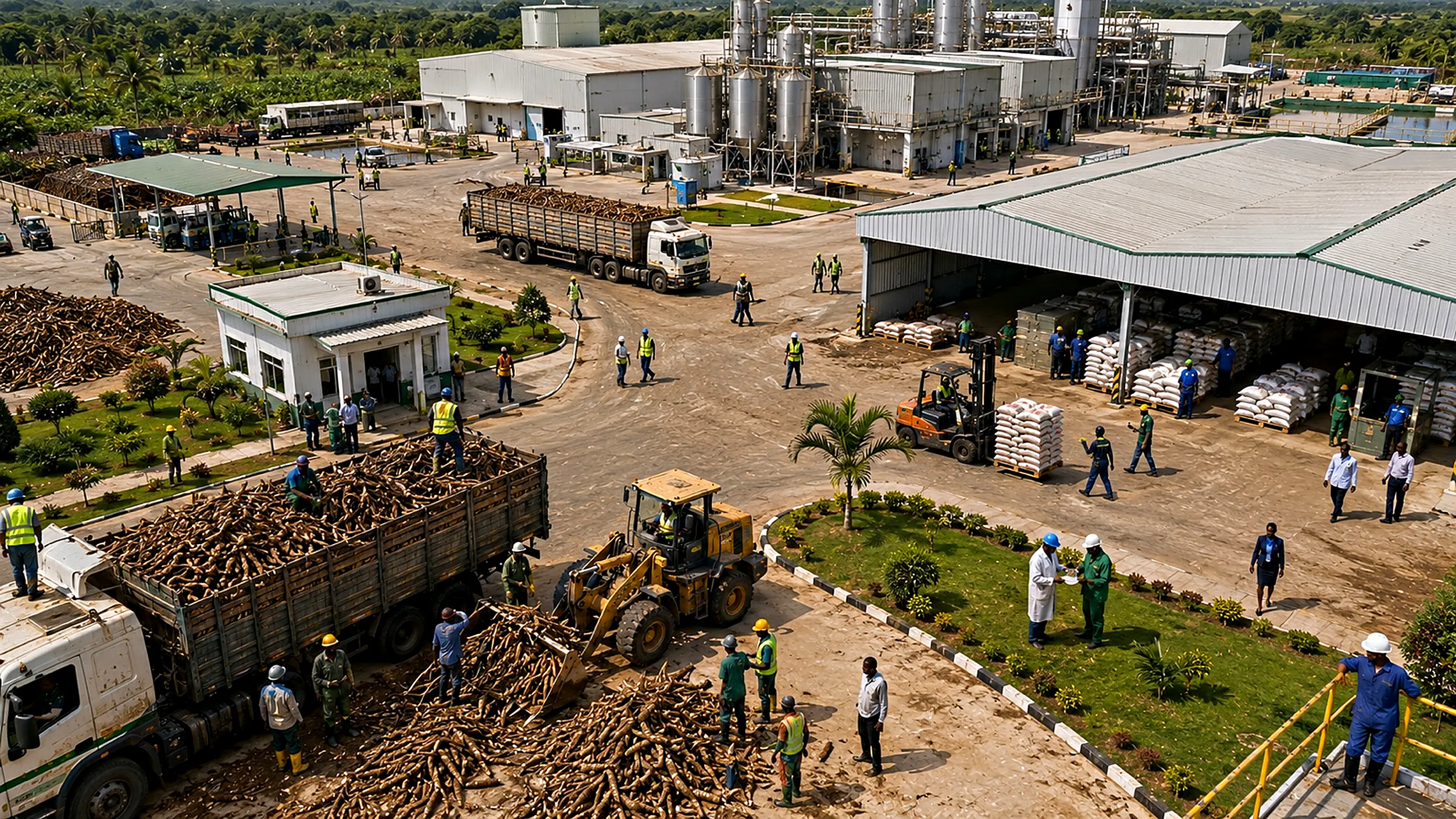
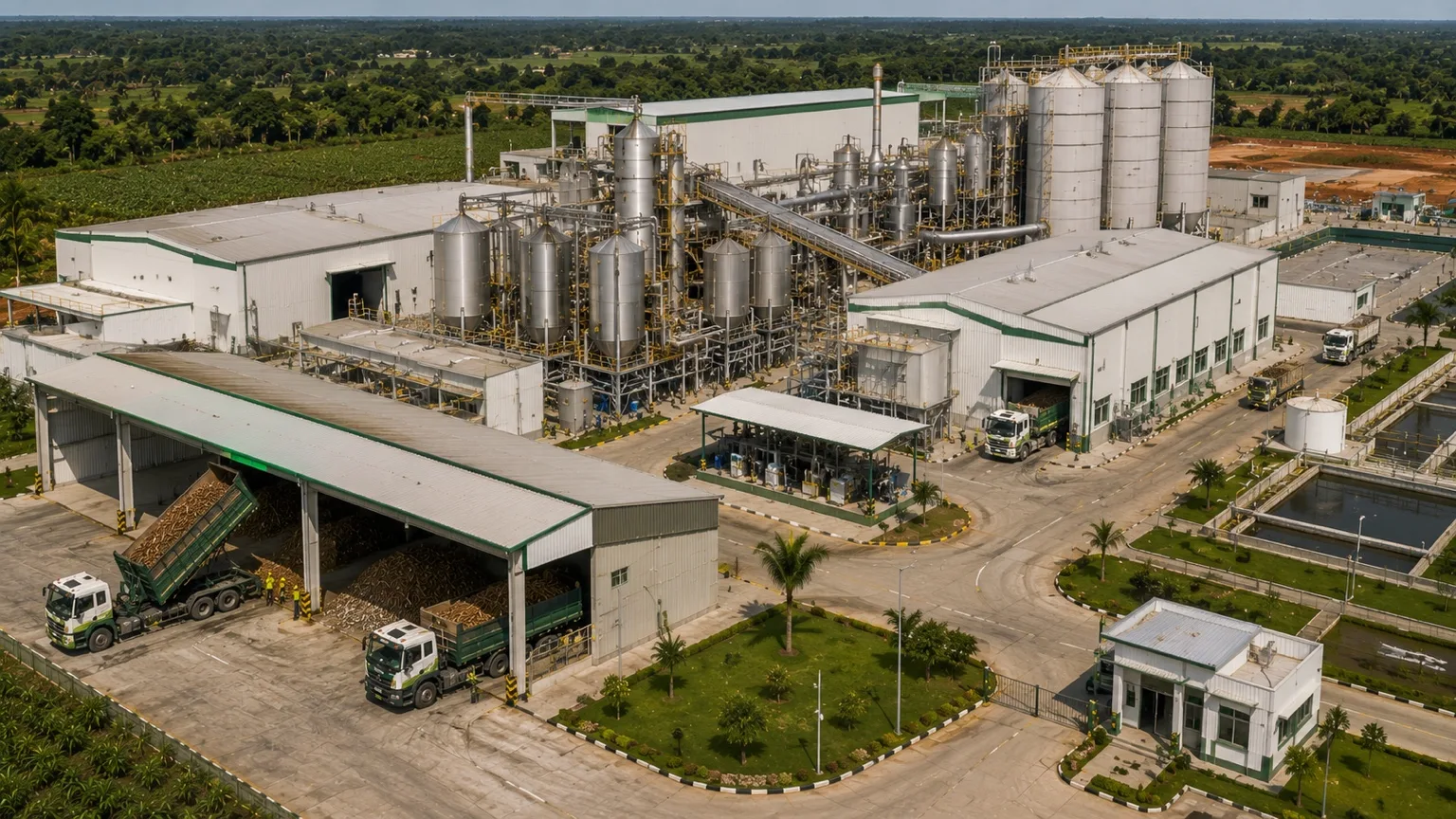
Conceptual rendering
- Nigeria's global rank in cassava production
- #11
Nigeria's global rank in cassava production
- Phase 1 fresh-root design capacity
- 1,200TPD
Phase 1 fresh-root design capacity
- Food-grade native starch at design basis
- ~90kt / yr
Food-grade native starch at design basis
- Primary equity raise (up to)
- US$20M
Primary equity raise (up to)
The opportunity
The world's largest cassava producer still imports its industrial starch.
Nigeria grows more cassava than any country on earth, yet almost all of it is consumed as traditional food. Industrial manufacturers, from food and beverage to pharmaceuticals and paper, run largely on imported maize starch. The gap is not raw material. It is industrial-grade processing infrastructure.
- 62.6 Mt1
- Nigerian cassava production in 2024, the largest of any country.
- <1%
- of national output required to run Phase 1 at full design capacity (~396,000 t of roots a year).
- 96%2
- of Nigeria’s 2024 starch imports were maize starch, a market that locally made cassava starch can serve.
- <5%3
- of Nigeria’s cassava currently reaches industrial processing.
Source: UN Comtrade, HS 1108 and 3505 10, calendar 2024.
Why factories import today
- No reliable local supply. Most Nigerian cassava plants run at 30–40% of capacity because of feedstock shortfalls.4
- Trade defaults to maize. The largest global starch exporters are maize-based, so importers buy what ships.
Why local cassava starch wins
- Same job, often better. Neutral taste and high clarity in food; strong binding in paper and textiles.
- Naira-priced and close. No dollar exposure, ocean freight or long shipping lead times.
Structure
One platform. One flagship asset. A clear capital perimeter.
LisBonFARM is the sponsor and developer. AgroGlobal ICPI is the asset. Investor capital is raised by LISBONFARM LTD for the development and build-out of AgroGlobal ICPI, alongside senior project debt at financial close.
Group
LisBon Platforms
Multi-sector infrastructure group. Strategic oversight, governance and technology.
Sponsor & developer
LisBonFARM
Agro-industrial infrastructure platform. Designs, develops and will operate the asset. Issuer: LISBONFARM LTD.
Flagship project
AgroGlobal ICPI
Integrated Cassava Processing Infrastructure, Edo State, Nigeria. The asset the capital is raised for.
Flagship project
AgroGlobal Integrated Cassava Processing Infrastructure
A modular, specification-grade starch facility designed for phased capacity growth and a clear path into higher-value derivatives.
- Location
- Edo State, Nigeria
- Design capacity
- 1,200 TPD fresh roots (Phase 1)
- Configuration
- 3 × 400 TPD uniform processing lines
- Product
- Food-grade native cassava starch
- Product roadmap
- Modified starch → sweeteners → sorbitol (planned)
- Output at design basis
- ~90,000 tonnes per year
- Operating basis
- 330 days per year
- Stage
- Development / pre-construction
Operating model
Engineered from root to specification.
Feedstock is the defining risk in African agro-processing. The platform is designed supply-first: a diversified supply architecture, a short harvest-to-process window and quality control at every stage.
- 01
Supply
Outgrower networks, aggregators and a nucleus estate. Target mix 55 / 25 / 20.
- 02
Intake
Weighbridge, grading and a 24–48 hour harvest-to-process window to protect starch content.
- 03
Processing
Three uniform 400 TPD lines: rasping, extraction, refining, dewatering and flash drying.
- 04
Quality
In-house laboratory release against a food-grade native starch specification.
- 05
Market
Food, beverage, pharmaceutical, paper and textile manufacturers; regional export.
Circular by design
Peels, pulp and process water are engineered as inputs, not waste.
Biogas
Anaerobic digestion of effluent and pulp to offset plant thermal energy.
Organic fertiliser
Digestate returned to growers to support yields in the catchment.
Water treatment
Effluent treated to discharge standard before release or reuse.
Development status
Where the project stands.
A disciplined path to financial close. Status is reported plainly; detailed evidence is available to qualified parties in the data room.
- May 2025
Project company incorporated
LISBONFARM LTD registered in Nigeria (RC 8508608) as sponsor and developer.
Complete - Jun 2026
Design basis defined
1,200 TPD fresh-root platform, three uniform 400 TPD lines, food-grade native starch target specification.
Complete - 2026
OEM proposals received
Preliminary technical and commercial proposals from established starch-line equipment manufacturers.
Complete - Aug 2026
Integrated financial model
Phase 1 and planned Phase 2 investment case, with base, lender and downside scenarios.
Complete - —
Site and community engagement
Candidate site in Edo State; engagement with landholding community under way.
In progress - —
Feedstock supply network
Engagement with outgrower networks and aggregators across the supply catchment.
In progress - —
Primary equity raise
Up to US$20 million, through a controlled process with qualified investors.
In progress - —
ESIA, permits and FEED
Environmental and social assessment to IFC Performance Standards; front-end engineering design.
To financial close - —
Contracts and land lease
EPC contract, feedstock and offtake agreements, registered long-term land lease.
To financial close - —
Senior debt and financial close
Project-level debt from development finance and commercial lenders.
To financial close
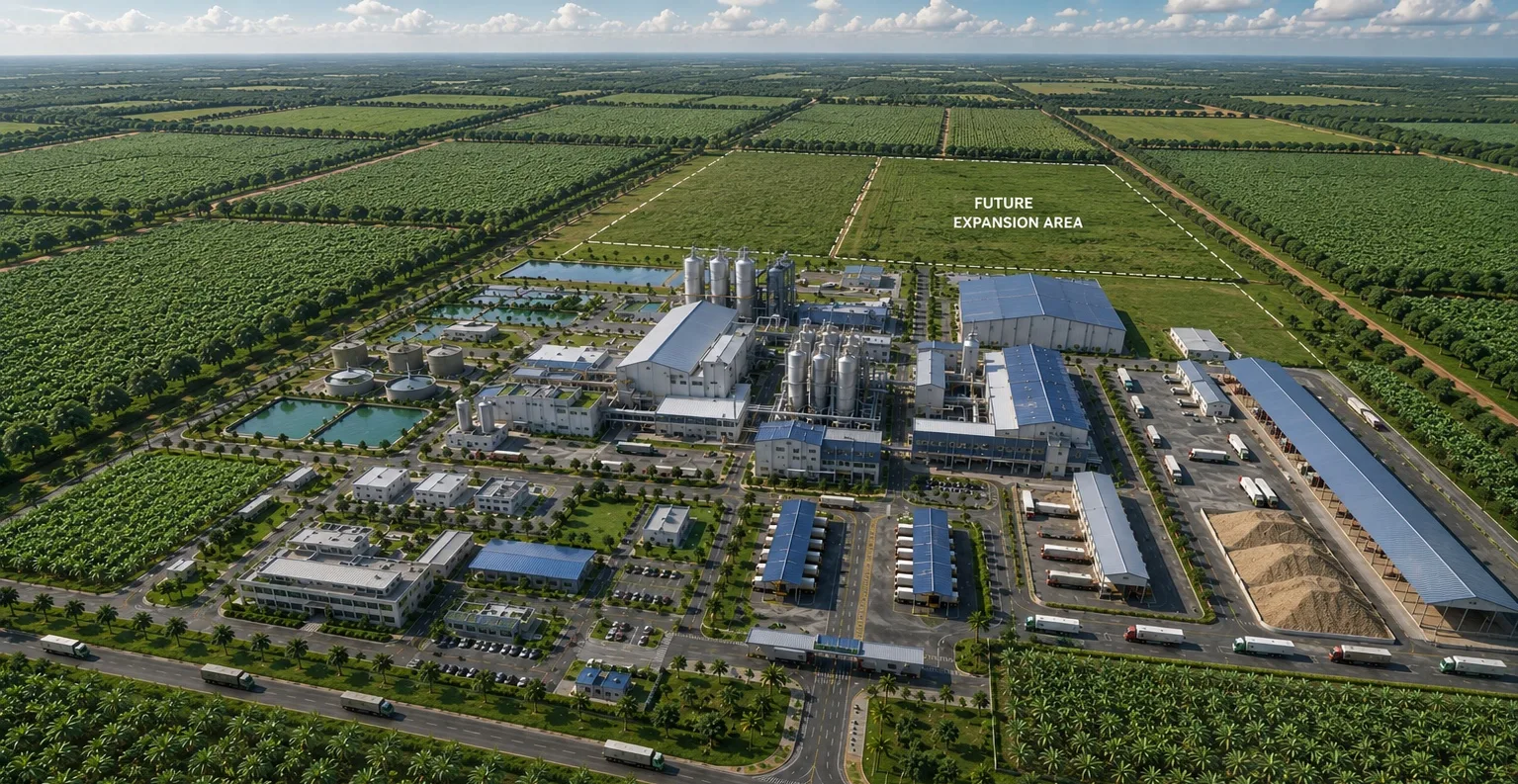
LISBONFARM LTD is preparing an equity raise of up to US$20 million in primary capital.
For an integrated Phase 1 and planned Phase 2 investment case. Valuation and ownership are addressed privately through a controlled investor process.
Engage
Built for long-term institutional counterparties.
Investors & lenders
Equity and project debt for a phased, specification-grade infrastructure asset with a defined capital perimeter.
Investor overview→
Industrial offtakers
Food, beverage, pharmaceutical, paper and textile manufacturers seeking consistent, locally produced native starch.
Offtake enquiries→
Suppliers & delivery partners
Outgrower networks, aggregators, EPC contractors and equipment manufacturers aligned to the build-out.
Partnership enquiries→
A LisBon Platforms company
Infrastructure discipline, with an engineering and technology group behind it.
LisBon Platforms builds infrastructure across trust, logistics, energy and agro-industry. Its systems are engineered in-house by AlphaIT Engineering, giving LisBonFARM a native capability to digitise supplier onboarding, intake records and logistics across the feedstock network.
Sources
- 1FAOSTAT, Crops and livestock products, 2024 (Nigeria cassava production)
- 2UN Comtrade, Nigeria imports HS 1108 (starches), 2024
- 3BusinessDay, June 2025: Local cassava production falls short of industries' demand
- 4BusinessDay, 2025: Nigeria's cassava factories struggle with feedstock shortages (NCIA)
Project figures reflect the current design basis and are subject to engineering, permitting and financing completion. Imagery marked conceptual shows design renderings, not completed facilities.